Drone Recycling and Sustainability: What to Do With Old or Damaged Drones
Drone technology is growing rapidly across India and around the world. Drones are now used for photography, agriculture, surveying, mapping, construction, inspections, security, and many other professional applications.
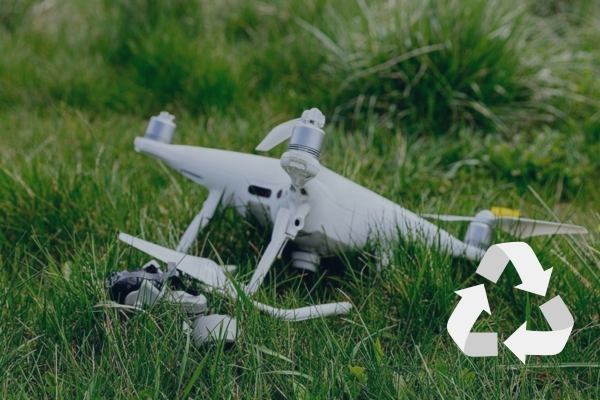
As more people and businesses start using drones, another important question is becoming relevant: What happens when a drone becomes old, damaged, or no longer useful?
Like other electronic devices, drones have a limited working life. Batteries become weaker, components can get damaged, technology becomes outdated, and accidents may make some drones difficult or expensive to repair.
Instead of simply throwing away old drone equipment, drone owners should think about responsible disposal, recycling, repair, reuse, and proper management of electronic components.
Drone recycling and sustainability are becoming important parts of the growing drone ecosystem.
This article explains what drone owners can do with old or damaged drones and why responsible recycling is important.
Why Drone Recycling Is Important
Drones contain many different components.
These can include batteries, motors, cameras, sensors, electronic circuits, plastic parts, metal components, and other materials.
When electronic equipment is thrown away carelessly, it can create environmental problems.
Some components may be reusable, while others may need to be handled through appropriate recycling processes.
Responsible drone recycling can help reduce unnecessary electronic waste.
As the number of drones increases, proper management of old and damaged equipment will become increasingly important.
Do Not Immediately Throw Away an Old Drone
An old drone does not always need to be thrown away.
Before disposing of a drone, first check whether it can still be repaired.
Sometimes a drone may have only one damaged component.
For example, a broken propeller, damaged motor, battery problem, or camera issue may be repairable.
A professional technician can inspect the drone and identify whether repair is possible.
Repairing equipment can sometimes extend its useful life and reduce unnecessary waste.
Can an Old Drone Be Reused?
In some cases, old drones can still be useful.
Even if the complete drone is no longer suitable for professional operations, some components may still be reusable.
Depending on the condition of the equipment, usable components may include:
Motors
Propellers
Cameras
Sensors
Landing gear
Remote controllers
Carrying equipment
Accessories
Some components may be useful as spare parts for compatible equipment.
Before reusing any component, make sure it is in safe working condition.
Drone Batteries Require Special Attention
Drone batteries are one of the most important components that require responsible handling.
Over time, batteries can lose performance.
Damaged or old batteries should not be handled carelessly.
A battery that appears swollen, damaged, leaking, or unusually hot may create safety concerns.
Always follow appropriate safety instructions for your specific battery type.
Do not throw damaged batteries into regular household waste.
When disposing of batteries, use appropriate battery collection or recycling facilities where available.
Proper battery management is important for both safety and environmental responsibility.
Repair Before Replacing
One of the best ways to reduce electronic waste is to repair equipment when possible.
Before purchasing a completely new drone, check whether your existing equipment can be repaired.
A professional repair service may be able to replace damaged components and restore the drone to working condition.
Repairing can sometimes be more affordable than purchasing new equipment.
However, the decision should depend on the condition of the drone and the cost of repair.
If a drone is very old or seriously damaged, replacement may sometimes be a better option.
Sell a Working Used Drone
If your drone is still working but you no longer need it, selling it may be another option.
A used drone may still be useful for another person or business.
Before selling a drone, inspect the equipment and clearly explain its condition.
Provide accurate information about:
The drone model
Age of the equipment
Condition
Available accessories
Battery condition
Any repairs
Known issues
Being transparent can help buyers make informed decisions.
Used drone marketplaces can support the reuse of equipment and reduce unnecessary waste.
Upgrade Instead of Discarding Everything
Sometimes drone owners want new technology because they need better cameras, sensors, or professional features.
This does not always mean that every old component has become useless.
Some accessories and equipment may still be useful.
Before replacing your complete setup, identify which parts are no longer suitable for your needs.
You may be able to keep useful accessories or reuse compatible equipment.
A planned upgrade can help reduce unnecessary waste.
The Importance of Professional Drone Repair Services
Professional repair services can play an important role in sustainability.
A qualified technician may be able to identify problems that are difficult for an ordinary user to understand.
Professional repair can help determine whether a drone is:
Safe to repair
Suitable for reuse
Useful for spare parts
Too damaged for further operation
Proper inspection can help owners make better decisions about old equipment.
Businesses using multiple drones can also benefit from regular maintenance and repair programs.
Maintain Your Drone to Increase Its Life
Good maintenance is one of the easiest ways to improve the life of drone equipment.
Regular maintenance can help identify small problems before they become serious.
Important maintenance activities include:
Inspecting propellers
Checking motors
Managing batteries properly
Cleaning cameras
Checking sensors
Inspecting the drone body
Updating equipment when required
Replacing damaged components
A well-maintained drone may continue working effectively for a longer period.
Preventive maintenance can also reduce the need for unnecessary replacement.
Responsible Disposal of Electronic Components
Some drone components cannot be repaired or reused.
When this happens, responsible disposal becomes important.
Electronic components should not simply be mixed with normal waste.
Depending on the component and local facilities, electronic waste may need to be handled through appropriate collection or recycling systems.
Drone owners should look for authorized or suitable e-waste and battery recycling options available in their area.
Responsible disposal helps reduce the environmental impact of electronic equipment.
What Is Electronic Waste?
Electronic waste, often called e-waste, includes old or discarded electronic equipment.
Drones contain several electronic components that may eventually become unusable.
As technology develops, more electronic products are being replaced with newer versions.
Responsible management of electronic waste is becoming an important global environmental issue.
Recycling can help recover useful materials and reduce the amount of waste sent to unsuitable disposal locations.
Drone Businesses and Sustainability
Businesses using large numbers of drones should think about sustainability as part of equipment management.
A professional drone business may have multiple drones, batteries, accessories, cameras, and electronic components.
Creating a proper equipment management system can help reduce unnecessary waste.
Businesses can:
Maintain equipment regularly
Repair drones when practical
Reuse suitable components
Track battery health
Sell usable old equipment
Use responsible recycling options
Plan equipment upgrades carefully
Sustainable equipment management can also help businesses control costs.
The Role of Manufacturers and Technology Companies
Drone manufacturers and technology companies can also play an important role in sustainability.
Designing equipment that can be repaired and maintained may help increase product life.
Availability of spare parts can also make repairs easier.
Technology companies may develop better battery systems and more durable components in the future.
As the drone industry grows, sustainability may become an increasingly important part of product development.
Can Drone Parts Be Recycled?
Some materials used in drones may be suitable for recycling depending on the type of component and available recycling processes.
Drone equipment can contain different materials such as plastics, metals, and electronic components.
The correct recycling process depends on the material.
This is why it is important to separate and handle equipment responsibly.
Professional recycling facilities can process different types of electronic materials according to appropriate procedures.
Do not attempt to dismantle damaged electronic equipment if you do not understand how to handle it safely.
Safety should always be the first priority.
The Environmental Benefits of Reusing Equipment
Reusing equipment can help reduce the demand for unnecessary new products.
If a working drone or component can continue being used safely, it may provide value for longer.
Repairing and reusing equipment can help reduce waste.
A used drone may also be useful for training, education, basic photography, or other appropriate purposes.
However, equipment should always be checked for safety before being reused.
Building a Sustainable Drone Ecosystem
A sustainable drone ecosystem requires participation from many different people.
Drone owners can maintain and repair equipment.
Businesses can create responsible equipment management systems.
Technicians can provide professional repair services.
Recycling facilities can process unusable components.
Manufacturers can develop more sustainable products.
Together, these efforts can help create a more responsible drone industry.
The Future of Sustainable Drone Technology
Drone technology will continue to evolve.
Future developments may focus not only on performance but also on sustainability.
More efficient batteries, durable materials, repairable components, and better recycling systems may become increasingly important.
Businesses and consumers are becoming more aware of environmental responsibility.
The drone industry has an opportunity to develop technology while also considering the long-term environmental impact of electronic equipment.
Conclusion
Old or damaged drones should not always be treated as useless equipment.
Before disposing of a drone, consider whether it can be repaired, reused, sold, upgraded, or recycled responsibly.
Regular maintenance can also help increase the life of drone equipment and reduce unnecessary waste.
Drone batteries and electronic components require special attention and should be handled responsibly.
As the drone industry continues to grow, sustainability and responsible recycling will become increasingly important.
Every drone owner, business, technician, and technology company can contribute to a more sustainable drone ecosystem.
By repairing equipment when possible, reusing working components, managing batteries carefully, and choosing appropriate recycling options, we can help reduce electronic waste and support a more responsible future for drone technology.
GarudHub supports the growing drone ecosystem by connecting users with drone technology, repair services, products, professionals, business opportunities, and sustainable solutions.