Agriculture Drones in India: How Drone Technology Is Transforming Modern Farming
Agriculture is one of the most important industries in India, and technology is helping farmers improve the way they manage their crops and farms. One of the most exciting technologies being used in modern agriculture is the drone.
Agriculture drones are changing the way farmers monitor crops, spray fields, collect information, and manage agricultural operations. These drones can help make farming faster, more efficient, and more technology-driven.
From crop spraying to field monitoring and land analysis, drones are opening new possibilities for farmers and agricultural businesses.
In this article, we will understand how agriculture drones are transforming modern farming in India and why drone technology is becoming increasingly important in the agriculture sector.
What Is an Agriculture Drone?
An agriculture drone is a drone designed or used for agricultural activities.
These drones can be equipped with different technologies depending on their purpose. Some agriculture drones are used for spraying crops, while others can help monitor fields and collect aerial information.
Agriculture drones can provide farmers with a better view of their farms and help them understand crop conditions from above.
Depending on the type of drone and technology used, they can support different agricultural activities.
Why Are Drones Becoming Popular in Agriculture?
Traditional farming requires significant time and physical effort. Farmers often need to inspect large areas of land manually.
Drones can help make certain agricultural tasks faster and more efficient.
A drone can cover a large agricultural area in a relatively short period and provide an aerial view of the field.
This can help farmers and agricultural professionals observe crop conditions and identify areas that may need attention.
As technology becomes more accessible, interest in agriculture drones is growing across India.
Crop Monitoring with Drones
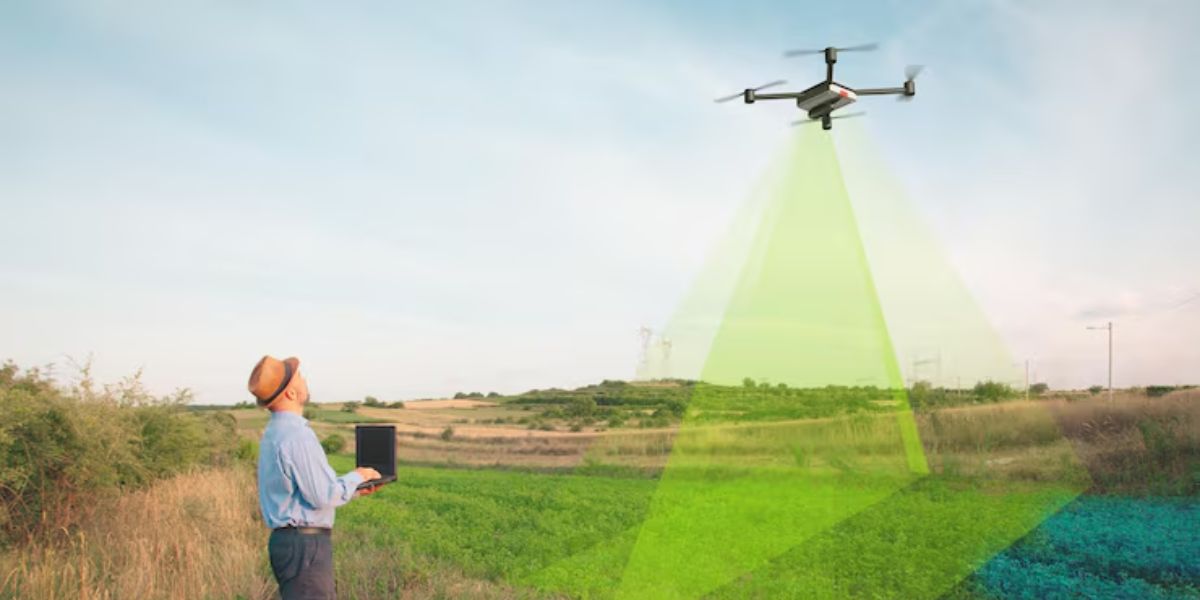
One of the major uses of drones in agriculture is crop monitoring.
Large farms can be difficult to inspect manually. Walking through every part of a large agricultural field can take a significant amount of time.
A drone can provide an aerial view of the field and help farmers observe the overall condition of crops.
This can make it easier to identify visible differences between different areas of the farm.
Regular crop monitoring can help farmers understand how their fields are developing during different stages of the growing season.
Drone Spraying in Agriculture
Drone spraying is one of the most discussed applications of drone technology in agriculture.
Agricultural drones can be used for spraying operations depending on the equipment, purpose, and applicable requirements.
Traditional spraying methods can require significant manual effort.
Drone technology can help make agricultural spraying more efficient in suitable situations.
A drone can operate over agricultural fields and support planned spraying operations.
However, agricultural drone operations should always be carried out responsibly with proper knowledge, training, equipment, and compliance with applicable requirements.
Saving Time in Agricultural Operations
Time is extremely important in farming.
Many agricultural activities need to be completed within specific periods.
For large farms, manual operations can take a significant amount of time.
Drones can help reduce the time required for certain activities.
For example, aerial monitoring can allow a large field to be observed more quickly than manual inspection in some situations.
Technology can help farmers and agricultural businesses improve planning and make better use of their available time.
Better Field Observation
Aerial technology provides a different perspective compared with observing a farm from the ground.
When a drone flies above a field, it can provide a wider view of the agricultural area.
This perspective can help farmers understand the layout of their fields and observe visible differences across different areas.
Drones can support better field observation and help agricultural professionals collect useful information.
This information can be valuable when planning agricultural activities.
Supporting Precision Agriculture
Precision agriculture focuses on using technology and information to improve farming practices.
Drones can become an important part of precision agriculture.
By collecting aerial information, drones can help farmers and agricultural professionals understand different areas of a field.
Technology can support more informed decision-making.
Instead of treating every part of a large field in exactly the same way, information collected through technology may help professionals understand differences across the farm.
Precision agriculture is becoming increasingly important as farmers look for smarter and more efficient ways to manage agricultural operations.
Agriculture Drones and Crop Health
Monitoring crop health is an important part of farming.
Farmers need to observe their crops regularly and identify possible problems.
Aerial monitoring can provide another way to observe agricultural fields.
Depending on the technology and equipment being used, drones can support crop observation and agricultural analysis.
Regular monitoring can help farmers and agricultural professionals stay informed about the condition of their fields.
Early observation of visible issues can help farmers take appropriate action based on professional agricultural advice.
Reducing Physical Effort
Many farming activities require significant physical effort.
Technology can help reduce manual work in certain agricultural operations.
Drones can perform aerial tasks that would otherwise require people to travel across large areas of farmland.
This can be especially useful for monitoring large agricultural properties.
While drones cannot replace every agricultural activity, they can become useful tools for supporting modern farming operations.
Agriculture Drones for Large Farms
Large farms can benefit significantly from aerial technology.
Managing and monitoring a large area of land can be challenging.
Drones can provide a wider view of the farm and help professionals observe different areas more efficiently.
For agricultural businesses managing large properties, drone technology can become a useful part of planning and operations.
The right drone solution depends on the size of the farm, the type of crops, and the specific requirements of the agricultural operation.
Types of Agriculture Drone Applications
Drone technology can support different agricultural activities.
Some common applications include:
Crop monitoring
Aerial field observation
Agricultural spraying
Land mapping
Farm planning
Crop analysis
Field inspection
Agricultural data collection
Different applications may require different types of drones and equipment.
Choosing the right technology depends on the specific purpose of the agricultural operation.
Choosing the Right Agriculture Drone
Before purchasing an agriculture drone, it is important to understand your requirements.
Not every drone is suitable for every type of agricultural work.
Farmers and businesses should consider factors such as:
The size of the agricultural land
The type of crops
The purpose of the drone
Flight time
Battery requirements
Payload capacity
Camera and sensor technology
Maintenance requirements
Availability of technical support
Proper planning can help you choose a drone solution that is suitable for your requirements.
Training Is Important
Operating an agriculture drone requires knowledge and practical skills.
A person should understand how to operate the drone safely and effectively.
Professional training can help users learn about drone technology, equipment, flight planning, safety procedures, and agricultural applications.
Before conducting professional agricultural drone operations, operators should understand the applicable requirements and follow responsible operating practices.
Maintenance of Agriculture Drones
Like other professional equipment, agriculture drones require proper maintenance.
Regular maintenance can help improve reliability and reduce the risk of technical problems.
Important maintenance activities may include checking propellers, inspecting motors, monitoring batteries, cleaning equipment, checking for damage, and following the manufacturer's maintenance recommendations.
A properly maintained drone can provide better performance and support safer operations.
The Future of Agriculture Drones in India
The future of drone technology in Indian agriculture looks promising.
As more farmers and agricultural businesses explore technology, drones may become increasingly common in modern farming operations.
New technologies such as advanced sensors, automation, artificial intelligence, and data analysis may create even more opportunities for agriculture drones.
Technology can help farmers make better decisions and improve the efficiency of certain agricultural activities.
The combination of agriculture and drone technology represents an important part of the future of smart farming.
Challenges of Using Drones in Agriculture
Although drones offer many opportunities, there are also challenges.
Farmers and businesses need access to the right equipment, training, technical support, and professional knowledge.
Weather conditions can also affect drone operations.
Battery limitations and maintenance requirements are additional factors that need to be considered.
Before investing in drone technology, it is important to understand both the opportunities and the practical requirements.
A proper plan can help farmers and businesses use drone technology more effectively.
Conclusion
Agriculture drones are becoming an important part of modern farming in India.
They can support crop monitoring, field observation, agricultural spraying, planning, and other farming activities.
Drone technology offers farmers and agricultural businesses new ways to manage agricultural operations and explore smarter farming practices.
However, successful use of agriculture drones requires proper planning, suitable equipment, training, maintenance, and responsible operations.
As technology continues to develop, drones may play an even bigger role in the future of Indian agriculture.
For farmers, agricultural businesses, drone professionals, and technology providers, agriculture drones represent an exciting opportunity to be part of the growing smart farming ecosystem.
GarudHub supports the growing drone ecosystem by connecting people with drone technology, services, training, products, and professional opportunities.